Empowering Survivors: Navigating Cancer Care with Compassion and Community
When faced with the diagnosis of cancer, the journey often feels daunting and overwhelming. It’s a life-altering experience that can stir a whirlwind of emotions – fear, uncertainty, and isolation. But what if I told you that there’s a beacon of hope, a supportive community that can ease the burden? By exploring the role of advocacy in cancer care, we unravel the power of connection and support that can transform an individual’s experience. Together, we can illuminate paths to healing, education, and empowerment in oncology.
Patient advocacy plays a pivotal role in the cancer care landscape, acting as a bridge between patients and healthcare providers. It's not merely about navigating treatment options or clinical trials; it's about voicing the concerns, needs, and rights of those grappling with illness. Advocacy efforts can help patients gain access to essential health information and patient resources, facilitating informed decisions about their well-being and the therapies they choose. Remember, every brush with cancer has a story—what will your narrative be?
Imagine being part of a network of support groups that not only provide emotional backing but also enrich your understanding of survivorship. Engaging in community support means sharing experiences, gaining insights from cancer studies, and discovering lifestyle changes that promote holistic well-being. These social connections can become lifelines, offering psychological support during rigorous treatment phases. As you pen your experiences in an online journal or health blog, who knows – you might inspire others who feel secluded in their journeys.
Education is an essential pillar in building this supportive network. From cancer awareness initiatives to nutritional support discussions, empowering individuals with knowledge can pave the way for preventive care and savvy self-advocacy. Consider this: What if we could cultivate an informed community that is knowledgeable about symptoms, treatment options, and the latest research advancements? The ripple effect of knowledge-sharing can drive collective strength, curiosity, and compassion in the face of illness.
Living with cancer is undeniably challenging, but understanding the significance of advocacy can change the paradigm of care. By fostering a sense of community, we not only enhance our health journeys but also contribute to a culture of shared experiences. Let’s reflect critically: how can we be advocates not just for ourselves but for others facing the complexities of cancer? By actively participating in supportive circles and amplifying patient education, we can contribute to a nurturing landscape of awareness and resilience. After all, together we heal, together we thrive.
From Illness to Wellness: Navigating Treatment Options with Compassion
The journey from illness to wellness is often a challenging path, especially when navigating the world of oncology. Each individual faces their battle with cancer differently, and this reality pulls at the strings of compassion and community. In a time when feelings of isolation may loom large, it is important to remember the power of connection in healthcare. What if you had a guiding light that not only informed your treatment options but also surrounded you with others who shared similar experiences? Let's explore the importance of compassionate care and vibrant community support in the journey of survivorship.
Navigating treatment options in today's healthcare climate can feel overwhelming. With myriad choices ranging from traditional therapies to clinical trials, having access to credible health information is paramount. For many, an online journal serves as a profound tool for documenting symptoms, feelings, and progress. As you pen down your thoughts, it can transform the chaos of illness into a clearer narrative of hope and resilience. Perhaps, this compelling practice offers you a chance to manifest positivity amidst the uncertainty of living with cancer.
Education and patient advocacy are vital pillars in the armory against cancer. Engaging with support groups both online and offline not only fosters a sense of community but also provides critical insights into effective treatment options and nutritional support. Remember, knowledge is power. And when combined with shared experiences, it becomes a beacon of strength. What resources have you tapped into within your community to further your understanding of cancer? Sharing stories and experiences can bring solace and strengthen the bonds that unite us as we traverse the tumultuous waters of illness.
As research advancements unfold in the realm of cancer studies, it's essential to remain abreast of innovative treatment options. Therapies evolve, and so do the conventional perceptions of care. Implementing preventive care and prioritizing a healthy lifestyle not only enhances well-being but may also influence outcomes in survivorship. Ask yourself: what positive changes can I institute in my daily routine to bolster my health? Small shifts can reap enormous rewards, and your body will thank you for it.
Lastly, psychological support is a cornerstone that too often goes unrecognized in cancer care. Addressing the emotional weight of an illness is just as crucial as managing its physical challenges. Have you found meaningful ways to nurture your mental health throughout your treatment journey? Whether it’s through meditation, therapy, or simply surrounding yourself with uplifting company, prioritizing your psychological well-being is vital. Together, with education, support, and compassion, we can embark on a journey that transforms the narrative from illness to wellness, one step at a time.
Empowerment Through Education: Enhancing Survivorship and Health Awareness
In a world where over 1.9 million new cancer cases are diagnosed each year in the United States alone, the role of education in empowering survivors has never been more significant. How do we arm ourselves with knowledge in the face of illness? How do we turn an overwhelming diagnosis into an opportunity for growth and community engagement? The answer lies in patient advocacy, health education, and active participation in oncology and cancer studies. It's about turning an often isolating journey into one filled with connections, support, and understanding.
Imagine this: You’ve just received your cancer diagnosis. The room spins, and the air feels heavy with uncertainty. But here’s where education steps in as a powerful ally. By arming yourself with knowledge, you become an active participant in your treatment options—from understanding preventive care to exploring nutritional support that can enhance your well-being. Engaging with a health blog or an online journal dedicated to cancer awareness can provide personalized insights and evidence-based resources. What if you could transform your fear into empowerment, turning every question about your illness into a stepping stone?
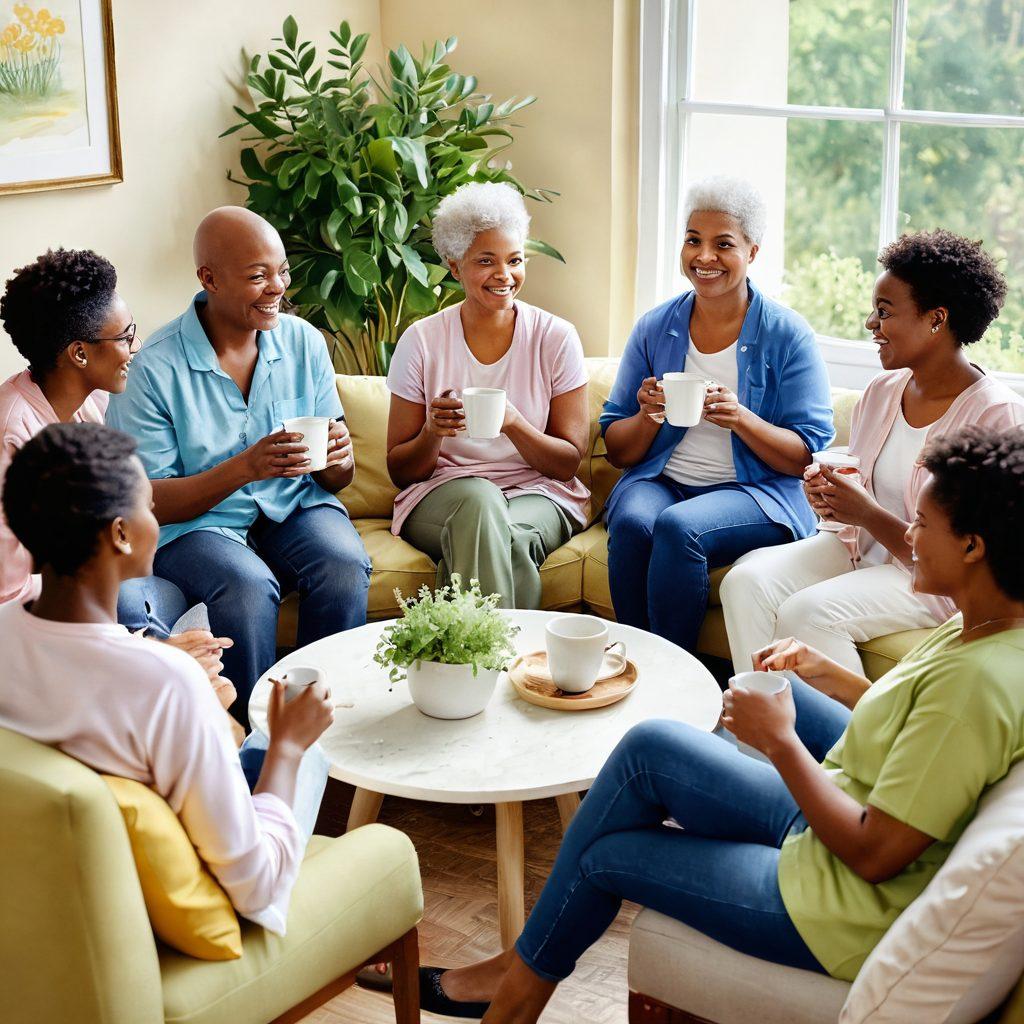
Empowerment through education doesn't just stop at knowledge—it's also about support. Picture a diverse group of individuals sharing their stories in a support group, each voice echoing with experiences of symptoms, therapy, and daily living with cancer. Through these connections, we not only find solace but also firsthand insights into navigating this challenging journey. Community support can make the trials of cancer survivorship feel lighter. Remember the words of Maya Angelou, "I can be changed by what happens to me. But I refuse to be reduced by it.” It's essential to lean on the community when the weight of illness feels too heavy to bear alone.
But what if we turned the page to a chapter filled with possibilities? With advancements in research and clinical trials, survivors today have access to innovative therapies and strategies tailored specifically to their unique needs. Staying informed about the latest developments in cancer prevention and treatment options offers hope and direction. Engaging with patient resources can inspire action towards living healthier lifestyles, which can significantly impact long-term well-being. It’s about transforming your diagnosis from a story of fear to one of resilience and tenacity.
Finally, let’s talk about a wonderful truth in the realm of survivorship: you are not alone. Requesting health information, asking questions during medical appointments, and being involved in discussions about your care can kick-start your journey toward empowerment. As you walk through the landscape of illness, recall that education is your compass. Surround yourself with encouragement, be it through patient education materials, advocacy groups, or connecting with people who truly understand. Because ultimately, every step you take in understanding your health contributes to a larger narrative—one of strength, recovery, and unwavering hope.